


Summary of this article:One of the quickest methods to start a clothing business is to purchase apparel in bulk; there is no need to create from scratch or pay high factory minimums. The secret is to properly manage inventories, set prices appropriately, and create a carefully chosen product assortment.
How to Start a Clothing Business with Wholesale
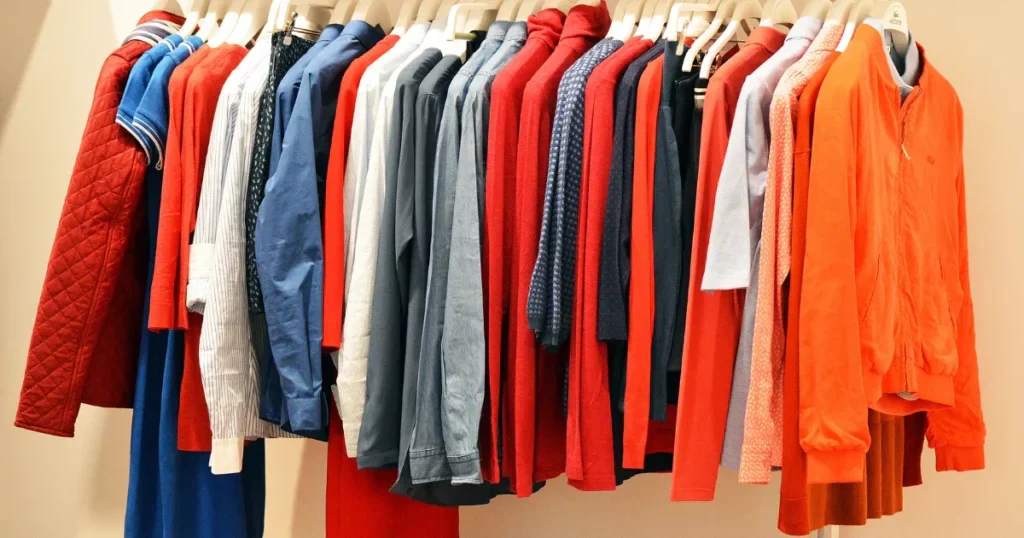
1) Select a Niche: Specify your target market, pricing range, sales channel, and style direction. A store's identity is strengthened by specificity.
2) Select Your Model: For the quickest launch, start with boutique wholesale (purchase and resell completed outfits). Once you know what to sell, add private labels, or you’re branding on already-existing styles.
3) Create a Starter Collection with ten to twenty styles in two to three main categories. Start with easy-to-fit products like big T-shirts and elastic waist jeans and give priority to more sizes in fewer styles.
4) Where to Purchase: B2B marketplaces for cheaper prices; domestic platforms for speed; trade exhibitions for supplier connections; sourcing agencies for complicated imports.
5) Examine Suppliers: Always confirm sizing charts, MOQs, return policies, and corporate identities. Before buying in bulk, order samples from three to five vendors and evaluate the stitching, fabric quality, color correctness, and fit consistency.
6) Set the Right Price: Determine the landing cost (product + shipping + tariffs + packing), then apply your desired margin. At a 60% margin, a $12 landed cost equals a $30 retail price.
7) First Order: Keep it modest, with 10–20 styles, 3–6 pieces per size, and 1-2 colors. Request pre-shipment images, the timeframe, and the size of the carton. 8) Create Your Store: Each product page should have a size chart, a description of the fabric, six to ten images, and an explicit return policy. Regular photography creates a brand-like appearance for your store.
9) Control Stock: Within two to three weeks, reorder styles that sell 70% or more. Clear styles selling under 30% within 4–6 weeks. Save 20–30% for trend testing and 70–80% for established winners.
10) Scale Smart: Once demand is established, switch to sea freight for large orders, diversify suppliers, add private label to top sellers, and negotiate better prices.
Avoiding Common Mistakes
•Purchasing too many styles too soon
•Disregarding refunds and sizing
•Unit cost pricing as opposed to landed cost pricing
•Selecting vendors based on cost
•No formal contract regarding refunds or faults
FAQ
undefined Do I require a business license? Better terms are helpful, though not always, particularly when dealing with domestic distributors.
undefined Custom versus wholesale designs? Custom designs give greater branding but need more money and larger MOQs; wholesale is quicker and less risky.
undefined How much should I begin with? Start modestly with a marketing budget and a test order, then grow in accordance with sell-through outcomes.