

Summary of this article:Before we go any further, it will be nice to give you a brief definition of what Product Sourcing really means and what is implied, when we talk about An E-commerce Startup. Firstly, (just to mention briefly), Product Sourcing is the process of finding, evaluating and partnering with suppliers to obtain the goods a business needs to sell. It is a critical part of the supply chain that involves everything from identifying raw materials to selecting finished products for resale. It has multiple stages and or components which will be illustrated in the following paragraphs of this article and it can equally be divided into Domestic versus International Sourcing. An E-commerce startup on the other hand, is a newly established business that sells products or services primarily through digital channels such as websites, mobile apps and/or social media platforms, rather than relying on a physical brick-and-mortar store. This definition may sound simple but what distinguishes a “startup” from a traditional “small business” is usually the Mindset and Growth Goals. Now, if the stages and/or components of perfect product sourcing which will be discussed in this article are duly practiced by an E-commerce Startup, we can boldly say, “Outstanding success awaits you at the end of this business tunnel。”
A Quick Glance At An E-commerce Startup’s Product Sourcing Checklist
Let’s say you’ve got a great idea for a new E-commerce business, or you’ve found a product that perfectly complements your current business model or goal. It could be anything, from clothing, to school articles, kitchen accessories and even beauty articles. In whatever you choose to sell, you’d be faced with a major problem, which will be how to acquire the necessary products, pivotal in bringing your business goals to life and instrumental in introducing your services to your target market. This write-up,intends to take you on a sourcing exploration journey, which will bring to light different types of top-notch product sourcing strategies, alongside practical steps for sourcing products. To ensure clarity on this subject matter, it will be nice to take a quick glance at the product sourcing check list below while bearing in mind that you will have to clearly understand the three categories of product sourcing, before doing an analysis of how the points outlined on this check list can help your growing e-commerce business.
● Always be sourcing for future opportunities.
● Do your homework on product and market demand.
● Learn from proven sourcing models.
● Lead with unique or niche products.
● Go offline: attend trade shows, visit suppliers.
● Look local to improve margins and control.
● Cut out unnecessary middlemen.
● Avoid bulk purchases to prevent overstocking.
● Treat your supplier like a partner.
● Have a backup supplier ready.
What Is Product Sourcing?
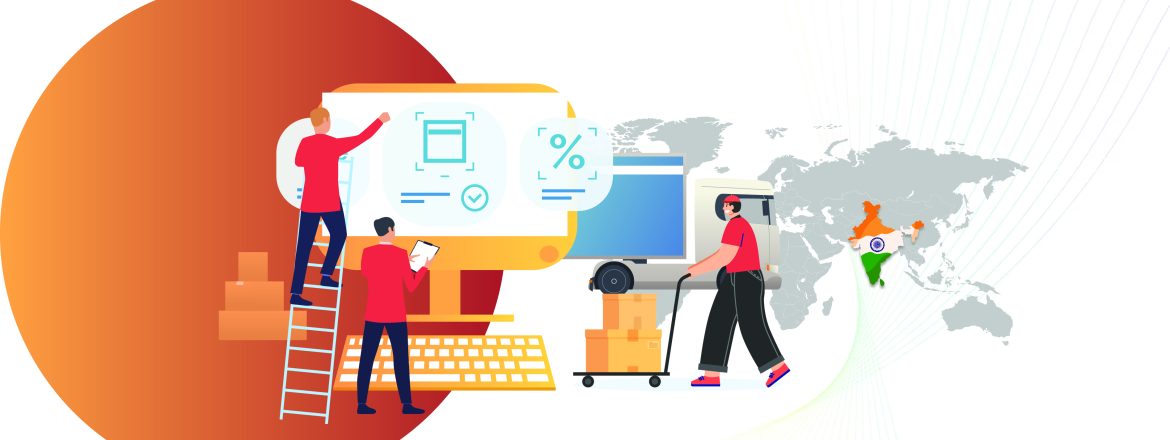
To lay more emphasis as was aforementioned, Product sourcing is about finding trustworthy vendors from whom you can buy quality products. From the parts you need for perfect manufacturing of your products to simply looking to resell finished goods, the goal is to secure the best product at the lowest possible price. This profit margin is what fuels business growth and the accomplishment of E-commerce goals.
Product sourcing isn’t always straightforward. It requires selecting a sourcing strategy and doing your research to find reliable vendors—perhaps even backup options. Now, let’s break down the different types of product sourcing methods and outline the specific advantages each offers a new e-commerce business.
The Three Types of Product Sourcing
As an E-commerce Startup, you generally have three sourcing options: DIY products or services, working with manufacturers or wholesalers and partnering with a fulfillment center. Here’s an overview of each.
DIY Products Or Services
DIY services means you handle most or all aspects of sourcing yourself. You might research and contact manufacturers directly, negotiate prices, manage quality control, and arrange shipping on your own. DIY sourcing gives you maximum control and flexibility, but it requires more time, effort, and expertise. As a startup, your activities may involve trips to USPS, FedEx, or UPS for shipping. As you scale, you may want to consider a shipping service to save time and money so you can focus on production and marketing. Today, thanks to the internet, you can sell your products online, which increases your range of exposure and quickens the sales process for you. However, you’ll still need to source supplies, which could come from craft stores, major retailers, or estate sales.
A quick example will be a startup handmade jewelry brand, launched by a single founder,handling marketing operations, cost and revenue as a single founder. Product sourcing at the DIY stage permits you order smaller diverse products and quantities instead of large minimum orders.Due to ordering smaller quantities, you can inspect each piece ensuring consistency and high quality. Small batch sourcing will permit your jewelry brand create unique and differentiated jewelry pieces with a lower risk of overstocking. This will increase craftsmanship making the jewelry brand more authentic.
Working With a Manufacturer or Wholesaler
As your business grows and you lack the resources to make all your products, it might be time to work with a manufacturer or wholesaler. Here, you buy products in bulk from established wholesalers or distributors at a discounted price, then resell them under your own brand or as is. This approach is faster and simpler than DIY, as the wholesaler handles production and inventory but your profit margins may be lower and you may have less control over product design.These manufacturers or partners, however you choose to call them can help develop your product or supplement your efforts during peak seasons. You’ll need to find reliable options—reputable manufacturers or wholesalers who may bring product diversity to your door step. Be sure to vet these partners thoroughly to ensure they’re trustworthy, cost-effective, and reliable. Consider factors like customer service, timelines and minimum order quantities.
To better explain the work with manufacturer/wholesaler stage, let’s assume a sole founder owns a furniture manufacturing company overseas. Over time, this e-commerce startup business has grown to the extent that it can now afford to deal with manufacturers and wholesalers directly, thereby eliminating the role of middlemen in the production chain. At this point, this furniture e-commerce startup isn’t just selling items but rather, it is co-creating or co-producing. Co-production between startup owners and manufacturers can greatly increase the production scale,reduce cost due to ejection of middlemen and enjoy product differentiation and proper branding due to manufacturer provided customization services. At this stage, business becomes a “big win” for any startup company capable of functioning at this stage.
Hiring a Fulfillment Center
A fulfillment center (also known as a third-party logistics company or 3PL) lets you purchase products from vendors and list them on your online store. They handle inventory, packaging, and order fulfillment. This model, permits you partner with a third-party fulfillment center that stores your inventory, packs orders, and ships them to customers on your behalf. Just like with manufacturers or wholesalers, it’s essential to vet potential fulfillment partners to ensure they are fair and reliable. For more reasons on why you should consider a fulfillment center, check out 10 Reasons to Use a Fulfillment Center.
With regards to fulfillment centers and how they can benefits e-commerce startups, lets look at a laptops/phones e-commerce store in Africa. This gadgets store before getting to the hiring a fulfillment center stage would have successfully sailed through all e-commerce startup setbacks, til it gets to the stage where it needs extreme help on import of delicate large quantity gadget orders with battery. To this African store, hiring a fulfillment center will be a means to reduce cost as fulfillment centers often offer cheaper international shipping rates which can significantly reduce “cost delivery” and quicken “speed delivery” to customers. A fulfillment center will provide access to better logistics infrastructures with more efficient commodity care and commodity shipping methods. Simpler customs clearance,lower warehousing cost, better inventory management and scalability opportunities are all advantages which this store will benefit from since fulfillment centers could also act as warehouses to their customers, thus eradicating the need for a commodity space or warehouse in Africa.
Product Sourcing Strategies
Product sourcing strategies are the plans and methods a business uses to find, evaluate, and acquire products to sell. They involve decisions about where to get products, how to get them, and how to manage the entire supply chain.When sourcing products, you need to consider various factors which will help speed the growth of your business. Below are ten proven strategies we highly believe will help your business thrive.
1. Always Be Sourcing
As a business startup with big goals and growth aspirations, always thinking about “the next big thing” comes in highly recommended. As the years go by, statistics keep proving that companies that do not continually evolve, rejuvenate and recreate their methodologies, end up getting complacent which becomes directly proportional to them getting left behind in the end. E-commerce startups by staying ahead of trends and diversifying their offerings, remain relevant and profitable thus proving the “Always Sourcing Strategy” right.
2. Do Your Homework
When it comes to buying and selling ventures, we can not afford to mention supply, without mentioning demand. What do we mean by this?, This means, no matter how grandiose your idea might be, no matter how efficient your supply mediums and strategies are, if there is a low market demand for your good, then you are bound to fail. In this light, we think it will be great to carry out market studies such as consumer surveys or research data to confirm market demand and equally ensure that the market demand products fit within your brand portfolio. You would also need to observe other businesses as well, to understand how their products go in line with their customer base. Alibaba for example sells a variety of products, with world wide access to customers. This means every person, no matter their location, age, want or need, can find what they require on Alibaba. This shows the extent of market study and consumer observation Alibaba as a startup had to do to be able to get to its present state at the moment.
3. Follow The Leader
There’s nothing wrong with following successful business models. Order a product from a competitor and check the packaging to find out who sourced it. If you’re impressed by what you see (packaging, delivery time, etc.), it could be an excellent supplier to consider.
4. Take The Lead
In a world where everyone seeks for massive followership, it wouldn’t be a crime to set your own trends rather than joining the competition. Do your research, speak with suppliers and carve out a niche that will differentiate you from the crowd. Markets may be crowded, there might be a whole lot of suppliers playing football in your field but you are allowed to keep seeking for brand evolution strategies which will leave customers mind blown each time. Looking at a brand like Fenty, it is one of the youngest beauty/fashion brands in the business world but it has made a name for itself as one of the biggest brands since its inception in 2017. It found a way to put other similarly already existing brands behind it and has stayed consistent in the brand evolution race. This could be your e-commerce startup too, only if we would commit and stay consistent as we seek brand evolution.
5. Get Offline
Why should an E-Commerce seller go offline? Because in-person research can be invaluable! Trade shows are great for discovering new product sources, meeting manufacturers, and establishing long-term relationships. It also goes a long way in creating awareness for your brand and products portfolio amongst fellow trade show attendees. It can spark your mind with fresh business ideas due to on ground human interactions with fellow business owners and wholesale manufacturers.
6. Look Local
When we talk about product sourcing, the “look local strategy” means prioritizing suppliers, manufacturers or materials that are based near your business or your target customers instead of automatically looking overseas. While many E-commerce sellers source from overseas (particularly China), it can sometimes be beneficial to source closer to home. This is because local sourcing can improve profit margins, provide regulatory peace of mind and reduce language barriers. Plus, a “Made in the USA” brand can be a powerful selling point.
7. Cut Out Middlemen
Each business or middleman in your supply chain adds cost. When possible,try as much as possible to source directly from manufacturers or wholesalers to reduce cost and maximize profit margins.Not minding the kind of business you run as an e-commerce startup, eliminating your middle man will mean cutting out wholesalers from your sourcing chain and dealing directly with production factories.
8. Reconsider Bulk Buying
Buying in bulk often results in a lower unit price, opportunities at customization,improved cash flow planning and a competitive advantage but if the product isn’t a fast seller, you could end up with excess stock. If new models or trends emerge, your inventory could become obsolete. A warehouse management system (WMS) helps you avoid bulk buying by aligning your purchasing with actual demand. For example, picture e-commerce bulk purchases made at the advent of the Christmas period or during “Back-to-School Shopping Seasons” bulk purchases will be made to suit Christmas demands or Back-to-School demands which could greatly reduce the probability of excess unsold stock or inventory becoming obsolete.
9. Know Your Supplier
For startups to survive and stay in business for as long as is possible, knowing and fostering great trading relationships becomes key. Fostering great relationships with your supplier will accrue benefits such as better pricing and terms, priority access to inventory, improved product quality and consistency, faster production and shipping lead times,exclusive products or customization opportunities, early insights into market trends,scalability support,brand reputation protection and also reduced risk of supply chain disruptions.Treating your suppliers as partners will give you access to critical content that can make or break sale, so please always keep at the back of your mind that a good supplier relationship is a must have when it comes to e-commerce startups.
10. Have A Plan B
A Plan B gives you a chance at a fall back.it helps mitigate risks,reduce stress, saves time,increases confidence and improves decision making.Having a backup supplier helps reduce the impact caused by disasters, data breaches, changes in ownership, pricing hikes and disruptions in the supply chain. With a contingency plan and a backup supplier, you can maintain business continuity.
Finding a Trusted Product Sourcing Company
A quick recap of all points mentioned earlier will be the vitality of e-commerce startups, partnering with trustworthy vendors, eliminating manufacturer or wholesaler middlemen who merely inflate prices and could also be “business fraudsters or impostors”, one aspect which all e-commerce startups will have to be ware of. The above discuss equally mentioned the importance of doing your due diligence with regards to checking online reviews, asking for client references and valid credentials to avoid shady suppliers and dubious business deals.
If you choose to use a fulfillment center, we advice you look for one with clear service standards: reliable shipping, full transparency into the order process, customizable packaging, software integrations with e-commerce platforms and extreme flexibility in making last-minute adjustments.
In summary, find a fulfillment center capable of:
1、Reliable Shipping.
With the use of fulfillment centers, your e-commerce business will benefit from global order fulfillment capabilities and expedited shipping from 14 strategically located warehouses to guarantee delivery within 3days or less.
2、Complete Transparency.
Fulfillment centers in a bid to enlarge client base and protect their credibility provide extreme visibility into every stage of the order fulfillment process in real-time.
3、Customized Packaging.
For the love, comfort and well-being of final consumers, fulfillment centers take the personalisation of e-commerce businesses very seriously.Fulfillment centers go as far as providing designed customized boxes,labels,coupons and inserts so you can deliver a customized engaging user experience.
4、Dynamic Integration.
One major merit that comes with a fulfillment center is its capacity to partner and integrate with e-commerce systems such as Magneto, Shopify,Limelight,SquareSpace and more.These integrations makes fulfillment centers more skilled and savvy in handling e-commerce cross-border logistics.
5、Unmatched Flexibility.
Making last minute edits, changes, add customer service delays and more to tailor the entire fulfillment experience to your customers. Last minute changes are most times inevitable and so fulfillment center flexibility becomes a prerequisite for rendering proper e-commerce business services.
FAQs
What Is the Role of Product Sourcing in E-commerce?
Product sourcing ensures your E-Commerce business has the right products at the right time and price. It impacts availability, costs, and customer satisfaction by securing reliable suppliers and managing stock quality.
How Do I Find E-commerce Suppliers?
You can find suppliers through online directories, trade shows, or wholesale marketplaces like Alibaba and AliExpress. Once you identify potential suppliers, vet their credibility, request samples, compare pricing, and establish a relationship before committing.
What Is the Most Profitable Item to Sell Online?
High-margin products such as beauty and skincare items, tech accessories, and niche apparel tend to be the most profitable. Additionally, small, lightweight items with low shipping costs that are in high demand can also increase profitability in online retail.