

Summary of this article:Finding the most suitable suppliers for reselling is the fastest and best way to build a stable and scalable business. Products in high demand come and go but a strong supplier networks provide you with you consistent inventory, predictable profit margins and fewer client complaints. This guide explains what the term "best supplier" really means, while trying to provide information about best suppliers in the low price category, the various types of suppliers available, where to find them, how to vet them. This guide will provide y u with a practical process useful in building a reseller supplier system you can scale with.
What Are The Various Factors Which Can Make A Supplier “Best” For Reselling?
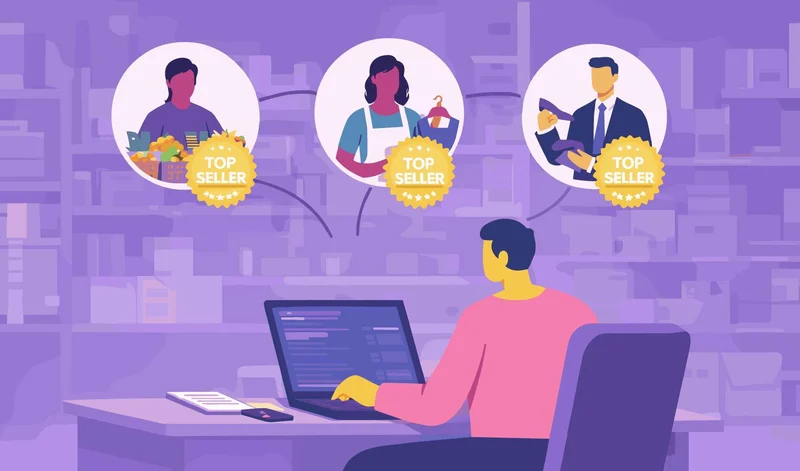
The best reselling suppliers usually sour in four areas:
1.Consistent inventory supply + restocking speed.
2.Commendable quality (low return and defect rates).
3.Profitable return margins after all cost expenses are covered (fees, shipping, refunds).
4.Intact documentation and reasonable transactional policies (invoices, defect handling, returns).
A supplier with lower pricing but zero reliability is not “best”—they are rather a future refund problem.
Most Favorable Supplier Types In Aiding Businesses Build A Solid Reselling Business.
(Ranked by Stability)
1、Businesses That Sell Wholesale Directly.
Buying directly from brands is one of the most stable reselling models.
●Properly drafted invoices.
●Consistent packaging.
●Constant stock availability.
●Solid authenticity protection.
Best for: long-term reselling, Amazon wholesale, retail stores
How to find: brand websites → “Wholesaler / Dealer / Distributor” pages.
2、 Authorized Distributors
Distributors are affiliated with multiple brands and offer reselling possibilities.
●Solid compliance and documentation.
●Easier and quicker scaling (many SKUs in one account).
●Stable and consistent restocking.
Best for: Resellers who want consistent scale and repeatable supply.
3、 Domestic Wholesalers & Importers
These wholesalers import in bulk and sell domestically.
With them you have access to
●Faster shipping.
●Simpler returns.
●Smaller MOQs than factories.
Best for: Quick restocking and low operational complexities.
Trade-off: Higher unit cost vs factory-direct.
4、 Manufacturer-Direct (Factories)
Buying directly from manufacturers gives the most favorable long-term unit economics—especially for goods in high demand.
●Better pricing at the purchase of voluminous quantities.
●Provides private labels and customization options.
●Fixed control over quality (if properly handled).
Best for: Scaling winners, creating brands and supporting large orders.
Trade-off: Higher MOQs, more responsibility for QC and logistics.
5、 Wholesale Market Suppliers (Online/Offline)
Great for product discovery and variety sourcing.
●Flexible MOQs.
●Speedy trend testing.
●Large SKU ranges.
Best for: Small resellers and trend testing.
Risk: Quality varies and verification is essential.
6、 Liquidation / Closeout Suppliers.
Could make deep discounts available but inventory is inconsistent.
●Big deal potential.
●High variance in conditioning and packaging.
Best for: Opportunistic purchases.
Risk: Leads to limited stocks, inconsistent quality and a greater return risk.
Where To Find the Best Suppliers Which Support Business Reselling
1、Direct Outreach To Brands and Distributors.
This is the most “professional reseller” method.
●Apply for a reseller/wholesale account.
●Request to get catalogs and terms of business operations.
●Ask for authorized distributor lists.
2、 Trade Shows and Industry Expos.
Trade fairs are one of the best ways to
●Find real vendors.
●See product qualities live and direct.
●Negotiate MOQs and pricing.
●Meet and have a talk with decision-makers.
3、 Wholesale Directories and Industry Associations.
Great when you already have your niche (beauty, home, pet, etc.).
4、 Domestic Wholesalers and Importers.
Ideal for speedy and stable inventory (especially if you sell locally).
5、 Overseas Sourcing + Procurement Partners.
If you’re sourcing from China or managing many suppliers, a procurement partner can help with:
●Supplier screening and verification.
●Sampling and quality control.
●Consolidation and shipping planning.
How to Vet Vendors for Reselling (The 10-Point Checklist)
Before scaling purchases, check:
1、Legal: registered company, real business footprint.
2、Supplier categories: brand / distributor / wholesaler / factory.
3、Invoices and paper work: can provide proper invoices (important for market places).
4、Product validation (for branded goods): avoid gray market risk.
5、MOQ & pricing standards: available discounts at higher quantities.
6、Lead time & restocking ability: can you reorder fast?
7、Quality control: defect rate and inspection process.
8、Packaging: retail-ready, barcode labeling, carton quality consistency.
9、After-sales regulations: refund/replacement/credit rules and claim window.
10、Communication speediness: slow response = slow problem-solving later.
Red flags:
●Prices far below market with no explanation.
●Refuses invoices or provides unclear paperwork.
●Vague product specs and inconsistent communication.
●“we sell everything” with no specialization.
A Simple Process On How To Build A Reseller Supplier Network.
Step 1: Choose a niche and buyer persona.
The niche you create for yourself determines the supplier category you get to work with.
Step 2: Create a longlist of about 20–50 vendors.
Test and use multiple channels, then narrow down.
Step 3: Request catalogs + trading/transactional terms
Ask for:
●Price lists and Price tier discounts.
●MOQ/case pack.
●Lead time and restock schedules.
●Return/defect policies.
●Invoice policy.
Step 4: Place small test orders
Validate:
●Quality.
●Shipment lead time accuracy.
●Documentation.
●Claim handling.
Step 5: Score suppliers based on performance and select your “core suppliers”
Keep:
●2–3 primary suppliers for stable restockings.
●3–5 fallback suppliers to prevent no stock periods.
●High demand product suppliers only for periodic testing.
Best Practices for Resellers
●Prioritize restockable products and stable demand.
●Calculate total landed cost, not only unit prices.
●keep regular documentation such as invoices, order records and agreements.
●Track vendor KPIs for defects products, late shipments and fill rate.
●Get backups for high demand SKU products.
●Agree on pricing after proving volume.
Common Mistakes to Avoid
●Chasing the lowest price suppliers and undermining quality.
●Depending on one supplier for everything.
●Scaling before testing orders.
●Minimizing the importance of shipping carton sizes/weights (hidden cost).
●Buying goods with little profit margins after paying the platform fees.
●No system for reorders and supplier performance tracking.
Final Thoughts
The best suppliers for reselling are those that help you scale while minimizing the occurrence of the unforeseen as much as possible: They provide you with reliable restocking chances, consistent great quality goods, clean and properly drafted documentations as well as fair prices. If businesses undertake to build their supplier networks like an asset—then scaling and making great profit margins will be a no brainer for them.