


Summary of this article:If you want to build a business that consist of reselling articles gotten from other businesses, be it online or off line, your success will greatly depend on getting highly dependable suppliers rather than finding products on "hot market demand". Being able to get your hands on the right suppliers will enable you have access to consistent quality goods, predictable supplier pricing, reliable restocks and reliable trading policies. The wrong suppliers will leave you confused and dealing with low or no inventory at all, consistent stockouts, defective goods, constant delays in shipments, alongside refund problems. This guide seeks to explain what reseller suppliers are, the best places to seek them out, how to affirm their consistency and reliability, alongside practical ways to build a dependable workflow system which will help you scale your business.
What Are Reseller Suppliers?
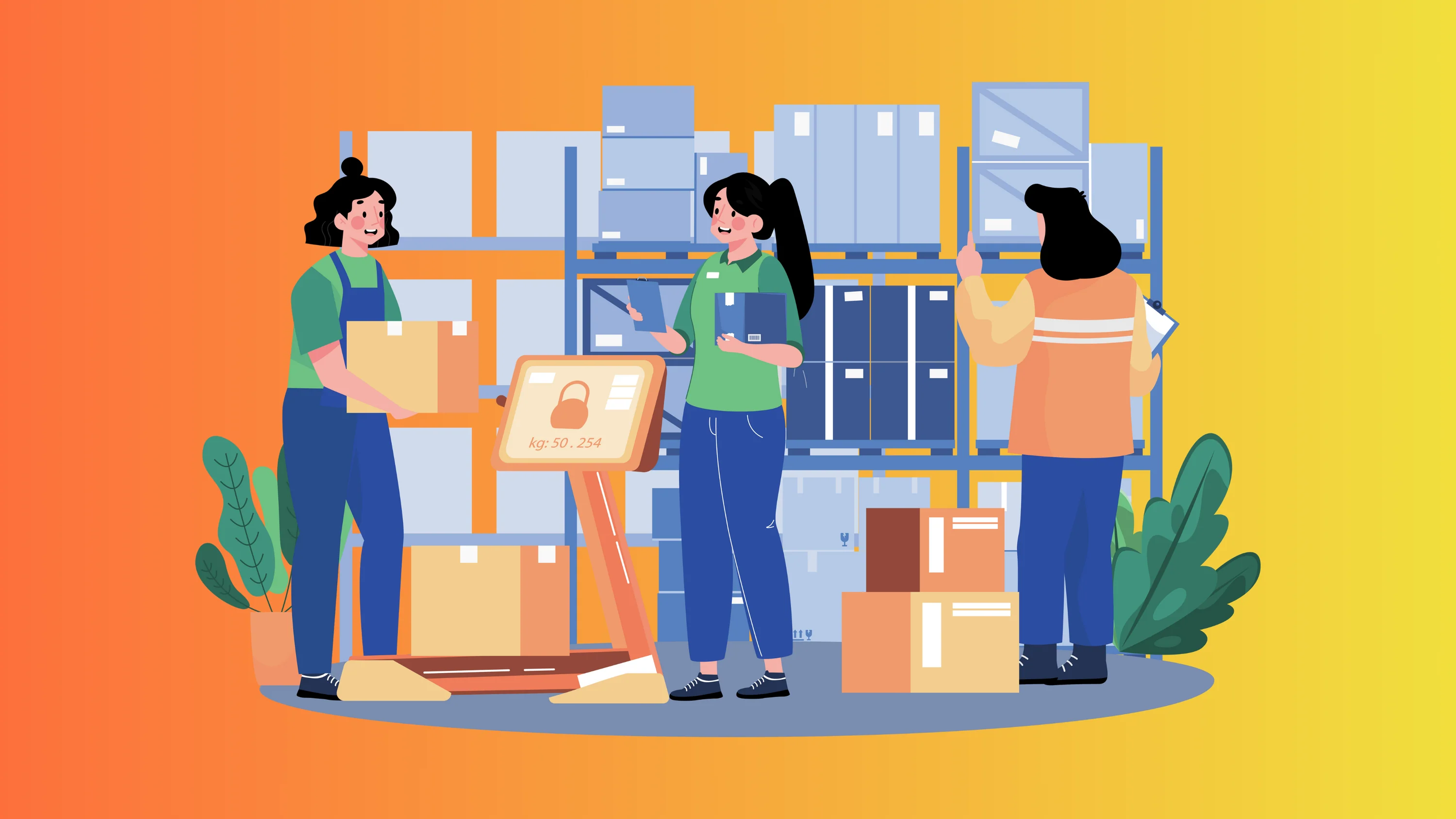
Reseller suppliers are companies that sell products to you in bulk (or at reseller pricing) so you can resell them for profit. Common supplier types include:
●Brands (direct wholesale) — you buy directly from the brand.
●Authorized distributors — you buy from official distribution partners.
●Wholesalers/importers — they source from multiple manufacturers and resell.
●Manufacturers/factories — you buy factory-direct (best for scale or private label).
●Liquidation suppliers — closeouts/overstock (higher risk, bigger variance).
Each supplier type fits different reseller models and risk levels.
Reseller Supplier vs Dropshipping Supplier (Quick Difference)
●Reseller suppliers: On such business modules, a new business owner typically buys inventory first (wholesale) from a supplier, factory or business, then resells this inventory under the new businesses' brand name, company name or business name.
●Dropshipping suppliers:These are business modules where the suppliers ship directly to your customers.
Reselling with wholesale suppliers often gives you better pricing and control, while dropshipping might be easier to start but as time goes on, it will make it extremely harder to control quality and delivery.
Why Supplier Choice Matters for Resellers
A supplier can largely impact:
●Your profit margin and price stability.
●The product quality, thereby negatively impacting customer reviews.
●Shipping speed and reliability.
●Restocking ability, which is key for business scaling.
●Risk of disputes, returns, and chargebacks.
Resellers who scale usually have multiple reliable suppliers, not one “lucky” source.
The Best Places to Find Reseller Suppliers
1、 Brand Direct Outreach (Best Long-Term Option)
Many brands offer wholesale programs or reseller accounts.
Best for: stable supply, brand credibility, clean invoices
How to search for brand websites → In the searching process, use words like “wholesale” / “dealer” / “distributor” to find resell supplier pages.
2、 Authorized Distributors
Distributors carry multiple brands and can provide reseller pricing and invoices which is most suitable for fast scaling with compliant supply (especially when it concerns marketplace sellers)
3、 Trade Shows and Industry Expos
Trade fairs often aid and permit business owners meet suppliers face-to-face. This creates an avenue for negotiations on better terms. Trade fairs are often most convinient for discovering new brands and building relationships early.
4、 Wholesale Marketplaces and Supplier Directories
Online platforms will almost be the quickest means to use in locating potencial wholesalers and retailers early. This can help you put together a long list of various product suppliers, thereby increasing your access to product variety.
Watch out: supplier quality varies—verification is required.
5、 Local wholesalers and importers
Wholesalers in your own country may provide faster and quicker returns.
Local wholesalers and retailers might just be what is best for local stores. This is because faster restocking leads to increase in scalability.
Trade-off: On the other side, the cost per unit is higher than when sourcing from abroad.
6、 Factory-Direct Sourcing (Best for Private Label)
purchasing goods directly from suppliers is an excellent method to get higher margins and stand out from the crowd.
Factory-Direct Sourcing can ease getting people to order again and building a brand over time.
Trade-off: On the other side, its disadvantage is it leads to increased minimum order quantities (MOQs), more quality control (QC) and more management responsibility.
How to Examine Reseller Suppliers (A Useful List)
Step 1: Check to see if it's real
●Establishing a business and obtaining company information.
●A comprehensive list of products and prices.
●Addresses and contact information to help us keep in touch.
●Professional terms and invoices.
Step 2: Make sure the product is real and of good quality.
●Real goods (especially those with a brand name)
●The condition of the product (new, not refurbished unless otherwise stated)
●Packaging and labeling that are consistently identical.
●Policy for sample or test orders.
Step 3: Look at the price and the margin
Request:
●List of prices and discounts for different levels.
●Minimum order quantity (MOQ) and case pack requirements.
●Costs and intervals for shipment.
●Policy for earnings and problems that could come up
then, do the math.
●The total cost of landing.
● Fees for the platform (if you sell on marketplaces).
●Risk of refund or defect.
●Expected profit per SKU.
Step 4: Check how reliable the operations are
●Consistency in lead time.
●Fill rate (do they really send you what you order?)
●Speed of communication.
●How you handle claims and what you do after a sale.
Step 5: Look for warning signs
●Prices that are "too good to be true".
●Won't accept invoices or gives unclear paperwork.
●Inconsistent descriptions of products.
●Unclear ability to restock.
●Pushes payment without clear terms.
●A very wide range of products with no specialization.
The Way To Establish A Reseller Supplier Network, Simple Procedures
Step 1: Selecting a field of expertise and a customer to go after.
This determines what sort of supplier and what sort of product you will require.
Step 2: Make a list of suppliers.
Make an effort at identifying 20 to 50 potential suppliers.
Step 3: Request for catalogs and purchasing terms.
Get the following:
●Pricing and discounts for bulk orders.
●Minimum order quantity per case.
●Conditions of shipping.
●Policy on returns and defective goods and services.
●Proof of approval (if it has a brand name).
Step 4: Put together smaller orders for trials
Check:
●The quality and authenticity of the product.
●Accuracy of shipping.
●Quality of the invoice.
●Rate of defects and response to claims.
Step 5: Create a rating system for your suppliers
Give each supplier a score based on:
●Price attractiveness.
●Maintaining the exact same level of quality.
●Speed of restocking.
●Talking to each other.
Step 6: Scale and diversify.
Keep:
●2–3 main suppliers.
●3 to 5 backup suppliers.
●Suppliers for best-selling SKUs in each category.
Diversification keeps you from running out of stock and having supply problems.
Quick Tips for Resellers On The Most Effective Prices
●Emphasize on products that can be restocked and have steady demands.
●Always make an attempt at suppliers with small quantity orders first.
●Maintain track of the total landed cost, not just the unit price.
●keep the paperwork and records clean (invoices, receipts, terms).
●Confirm you have backup suppliers for your best-selling products.
●Ensure that the packaging and quality control is better so that fewer items are returned.
Mistakes That Resellers Often Make
●Choosing suppliers solely because they're offering the lowest prices
●Relying on one supplier for all of your business
●Not getting orders for testing or even samples
●Not complying with return and defect policies
●"Purchasing" merchandise with small profit margins after shipping and fees
●Failure to keep track of how well suppliers do over time
Last Thoughts
Supplier systems are the key to reselling success. These could consist of reliable sourcing, consistent quality, stable restocks and clear documentation. When you treat your suppliers like long-term partners and manage them with a system, your reseller business will grow.